The history of digital payments and ecommerce goes back half a century. And since then, online shopping and digital payments have integrated into our daily routines. With thousands of businesses offering everything from everyday essentials to high-end luxury items, the digital marketplace has reshaped consumer behavior. The ease and speed of e-commerce have revolutionized the way people shop online.
Let’s examine how digital payments and e-commerce have evolved over the years and what the future holds.
The Dawn of Online Shopping and Digital Payments
The emergence of electronic banking and the internet in the 1990s laid the groundwork for the earliest digital payment platforms.

In 1994, First Virtual Holdings introduced the pioneering system for processing payments online. This innovation allowed users to securely make transactions with their credit cards over the internet.
Moreover, the Boston Computer Exchange launched the concept of an online marketplace back in 1982, and eCommerce didn’t truly take off until the 1990s.
It was during this time that Amazon, originally launched in 1994 by Jeff Bezos as an online bookstore, began expanding into a broad range of categories. Bezos led the charge in the online retail boom.
Simultaneously, eBay emerged as a dynamic platform for online auctions and consumer-to-consumer transactions.
Early online payment solutions lacked the sophistication and security we now expect. Slow connections and unreliable security systems raised privacy concerns.
Nonetheless, consumers were eager to embrace the convenience of ordering from home, even if it meant taking on some risk.
Things began to shift with the arrival of PayPal in the late 1990s, introducing more streamlined and secure digital transactions. The involvement of security firms like VeriSign and Symantec further strengthened consumer confidence, gradually transforming online shopping into a more dependable and protected experience.
The E-Commerce Explosion in the 2000s
Despite early skepticism, such as the reserved outlook presented by The E-Commerce Times in 2000, the new millennium quickly proved to be a turning point.
By 2010, PayPal had surpassed 100 million users and enabled transactions in 30 different currencies, opening the door to global trade like never before.
In 2000, the open-source platform osCommerce made it easier for online businesses to establish their digital storefronts. This laid the groundwork for the development of Magento in 2007, a more robust and feature-rich platform that quickly gained worldwide recognition among e-commerce retailers.
Meanwhile, Shopify was a way for entrepreneurs with little to no tech experience. Its simple interface and user-friendly tools allowed more people to create online shops.

By 2009, the Shopify app had launched in the App Store, empowering business owners to manage their operations directly from their iPhones.
As more businesses began optimizing for mobile, the demand for e-commerce development services grew, signaling a new era of digital-first retail.
The Rise of Mobile Payment Technology

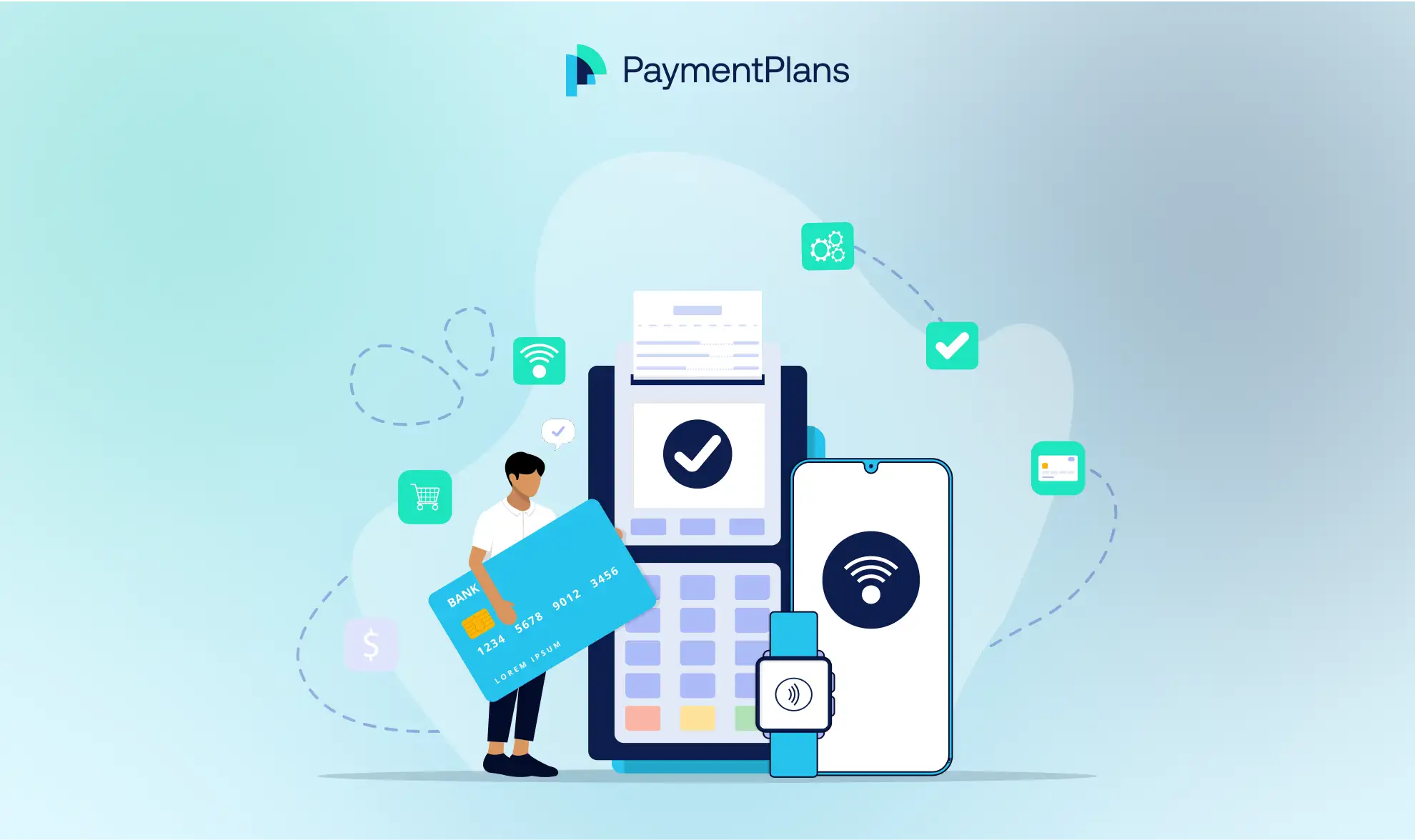
With the advent of smartphones in the late 2000s, the foundation was laid for a major shift in the history of digital payments and eCommerce. Services like Apple Pay, Google Wallet, and Samsung Pay emerged, enabling users to make purchases directly from their mobile devices.
These platforms rely on Near-field communication (NFC) to safely transmit payment details from the user’s phone to a retailer’s payment terminal, offering both speed and security.
Over the past few years, mobile payments have seen widespread adoption. More people are choosing to pay with their phones. Enhanced security features like fingerprint scanning and facial recognition have made these transactions even more secure by ensuring only the device owner can authorize payments.
The 2010s: A Contemporary Shift
By 2013, it became evident that China had overtaken the USA as the frontrunner in global e-commerce. They rapidly outperformed everyone in the online marketplace in the previous twenty years.
The rapid shift signaled a new chapter in international digital trade, highlighting the widespread reach of online shopping. By the middle of the decade, most regions across the globe had access to online retail platforms and digital payment systems, with mobile commerce steadily rising in popularity.
The push for seamless, convenient transactions gave rise to contactless digital payment solutions such as Apple Pay, Google Wallet, and Venmo. These tools have a high place in the history of digital payments and eCommerce. These digital payment processors began gaining widespread adoption, offering consumers faster ways to pay.
Moreover, digital payment gateways like Stripe and Square witnessed tremendous expansion since their launch, becoming key players in facilitating online financial exchanges. The trend toward electronic transactions continued to gain momentum, supported by the diversity and simplicity of payment methods available.

During this period, online retail sales worldwide saw a threefold increase. Amazon cemented its position as a dominant force in the U.S. e-commerce market, securing more than half of the market share.
Meanwhile, China’s Alibaba and its platform Taobao flourished, largely due to the success of Alipay, a digital payment system that quickly won over millions of users throughout Asia.
The Evolution of E-Commerce
E-commerce continues to transform as fresh technologies and consumer behaviors influence the landscape. Here are some of the most impactful trends shaping the industry:
- Mobile Shopping: With the increasing use of mobile payment options, consumers now enjoy the convenience of shopping and completing transactions directly from their smartphones, streamlining the purchasing process.
- Social Media Sales: Social platforms such as Instagram, Facebook, and Pinterest have become active retail environments. Brands now connect with customers and sell products directly through these networks, simplifying product discovery, digital payments and Ecommerce.
- Subscription Models: Services like Netflix and Amazon Prime highlight the popularity of subscription-based offerings. These models provide users with ongoing access to content or products for a recurring fee, creating value and customer loyalty.
- Customized Experiences: E-commerce platforms are immersing artificial intelligence and data analytics to deliver personalized shopping experiences. Customized recommendations and targeted marketing are becoming essential tools for digital payments and Ecommerce.
The New Normal of E-Commerce: A Post-2020 Reality
When COVID-19 emerged in late 2019, no one could have foreseen how dramatically it would reshape daily life and online shopping. In fact, the history of digital payments and eCommerce experienced a rapid surge, including store shutdowns and global lockdowns.
In 2020 alone, U.S. e-commerce sales jumped by more than 40%, marking a historic growth spurt. This explosion in demand forced many online retailers to scale their operations to meet the new volume.
Simultaneously, consumers unfamiliar with digital payments quickly learned to adapt, learning new technologies and platforms to complete transactions.
As we move further into the decade, businesses that failed to evolve may find it increasingly difficult to survive. The market is more competitive than ever, and not offering a range of digital payment options can seriously hurt a brand’s chances of retaining customers.
Today’s buyers expect convenience, speed, and flexibility, and they’re unlikely to accept anything less.
Looking Ahead: What’s Next?
Industry experts agree that the upward trend in digital payments and eCommerce isn’t going away anytime soon. Expect more retailers to introduce support for mobile wallets, digital banking integrations, and even cryptocurrencies, as they strive to meet shifting customer expectations.
Meanwhile, upgrading and migrating e-commerce platforms continues to be a key focus. Retailers are seeking out systems that are secure but also seamless and scalable. Online payment gateways for eCommerce are now a fundamental part of commerce infrastructure, set to evolve even further as technology progresses.
Last Word
The history of digital payments and e-commerce has significantly progressed since their early days. Mobile technology’s rise has revolutionized how consumers purchase products and complete transactions. As the digital scene continues to shift, cutting-edge innovations and emerging trends will continue to redefine the future of commerce and digital payment systems. If you’re running an online store or planning to transition to the digital space, staying flexible and current with industry changes is essential. Keep a close eye on emerging trends and tech updates to stay competitive and relevant in this rapidly changing market.